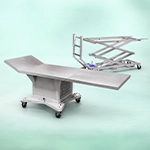
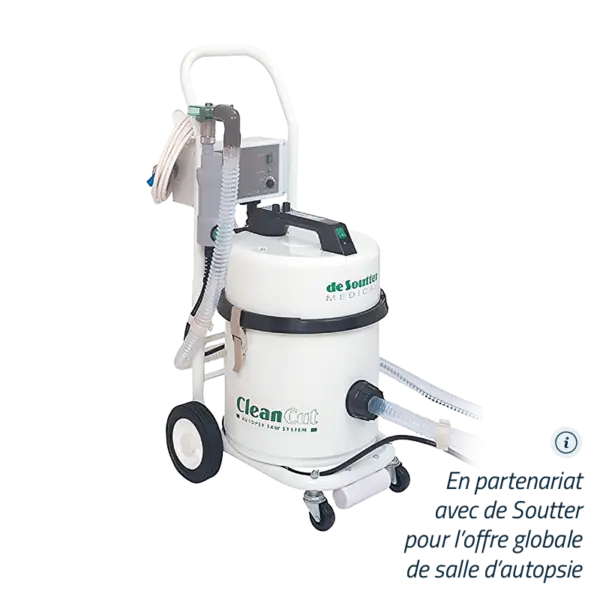
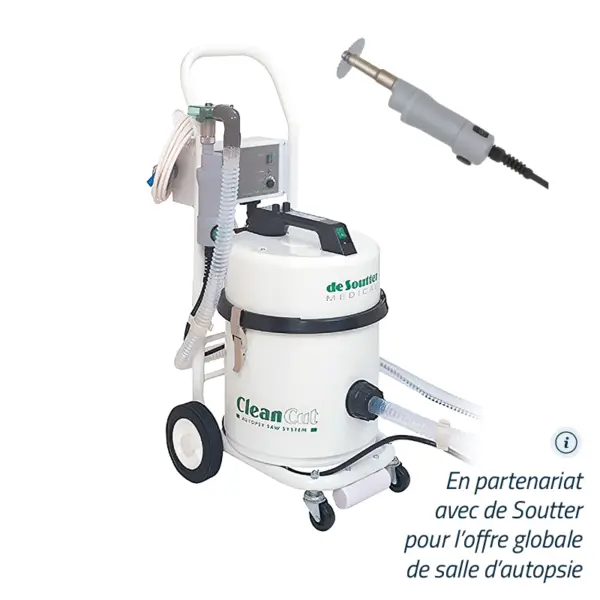
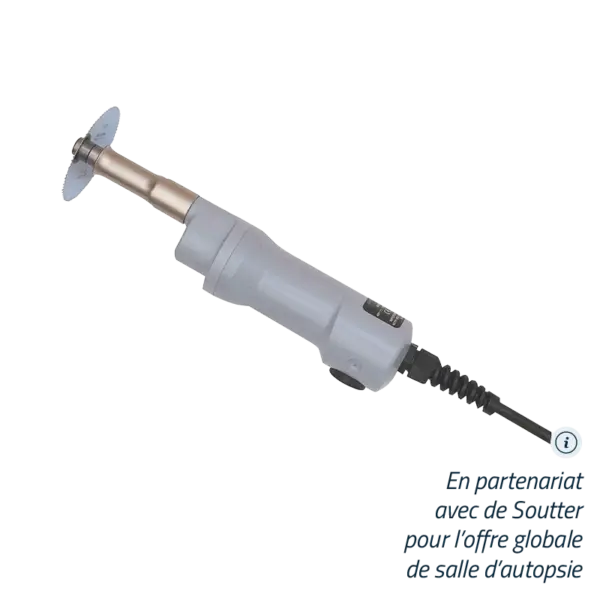
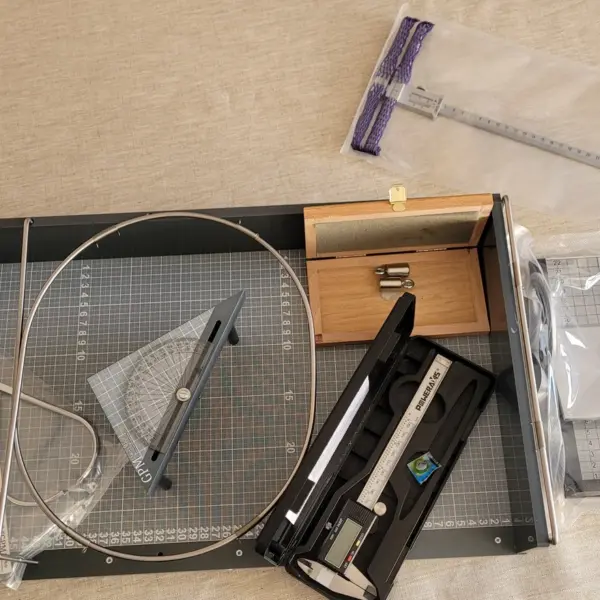
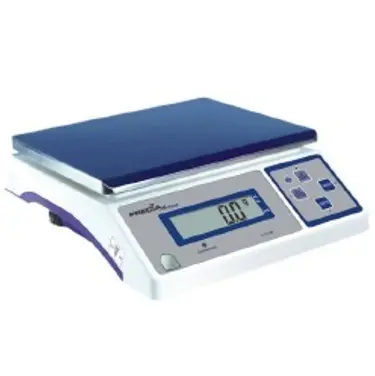
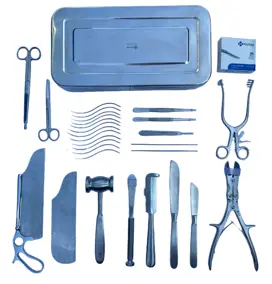
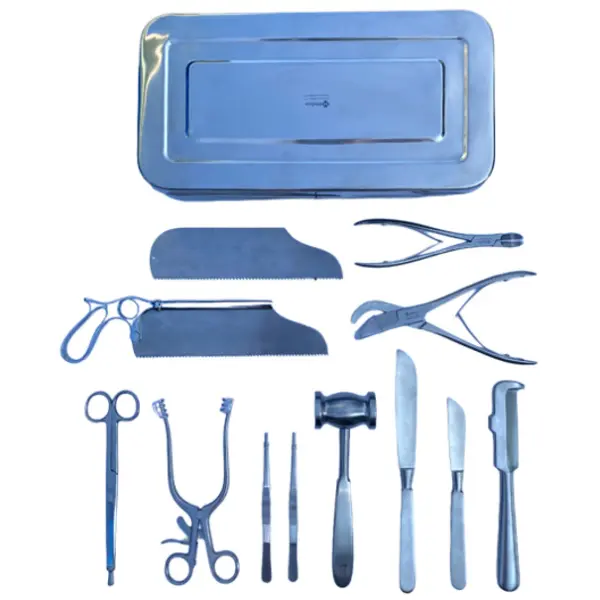
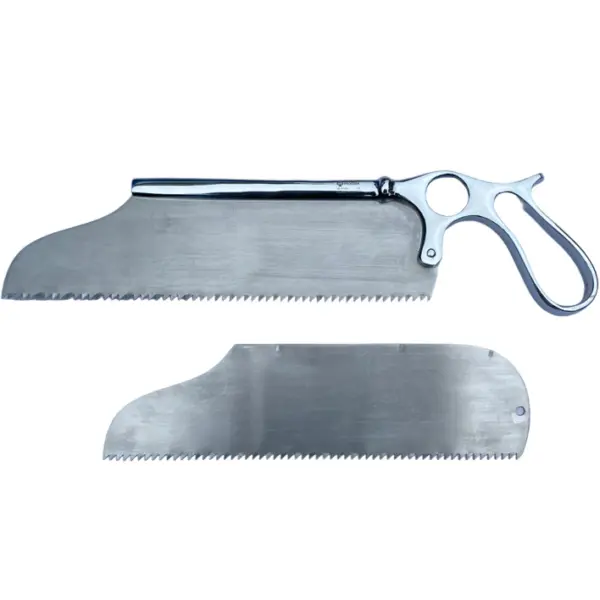
Autopsy is a post-mortem examination used to identify the cause of death or to gain further knowledge of human or animal anatomy. Used for clinical, forensic or research purposes, it is based on specific techniques and requires specially adapted equipment. Forensic medicine departments, veterinary laboratories, clinics and training centres use specialised facilities to carry out autopsies in the best possible conditions.
There are several types of autopsy, depending on the context: forensic autopsy in a legal context, veterinary autopsy on animals such as cattle, hospital autopsy for diagnostic post-mortem examinations. These services work in conjunction with medical, research or training departments, and require reliable, secure laboratory equipment that complies with Hygiene Standards.
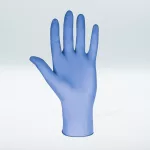
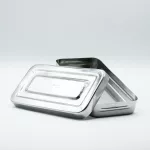
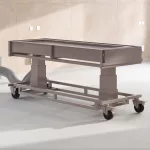
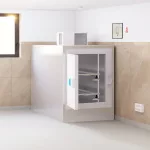
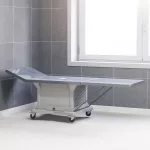
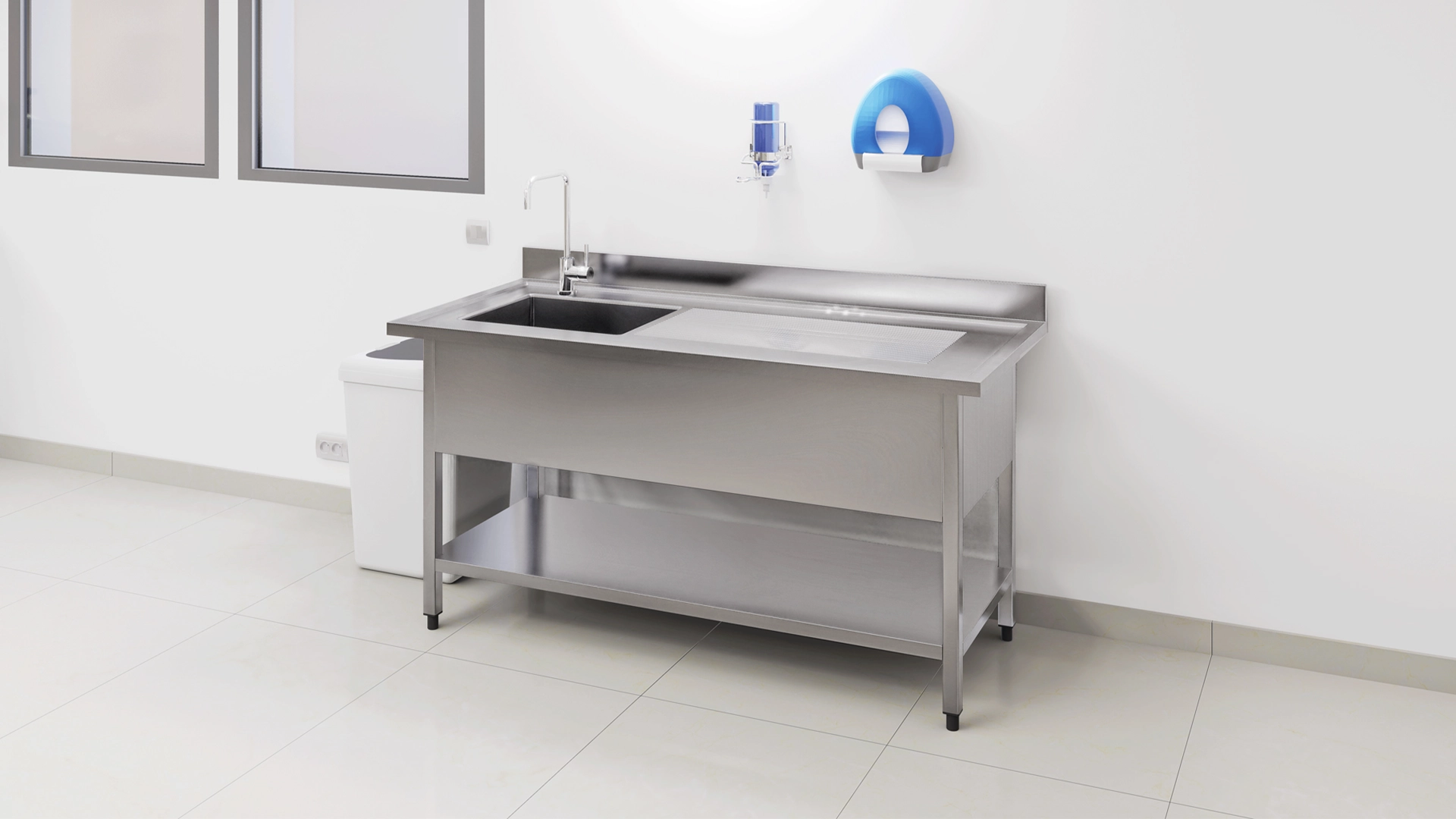
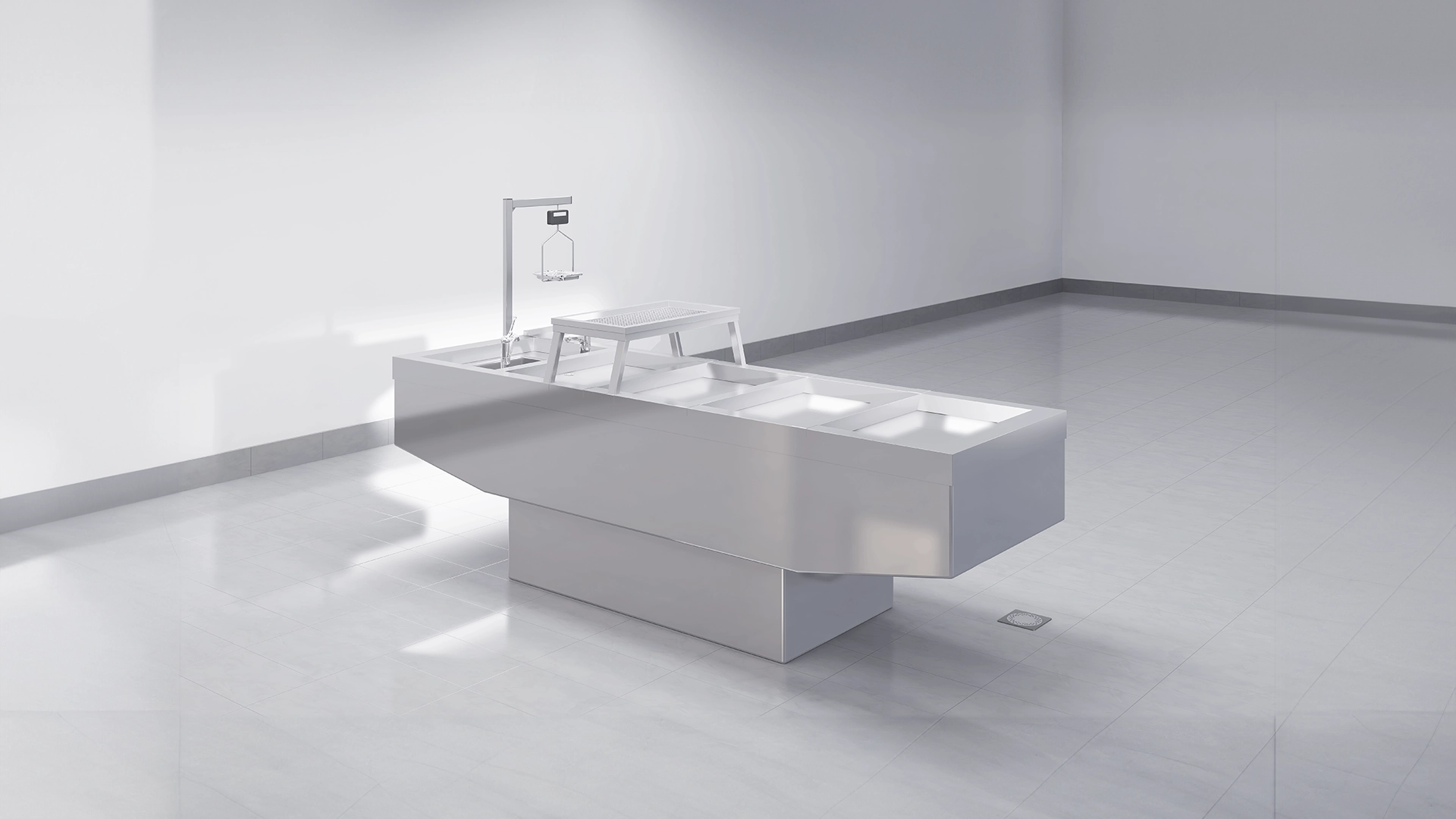
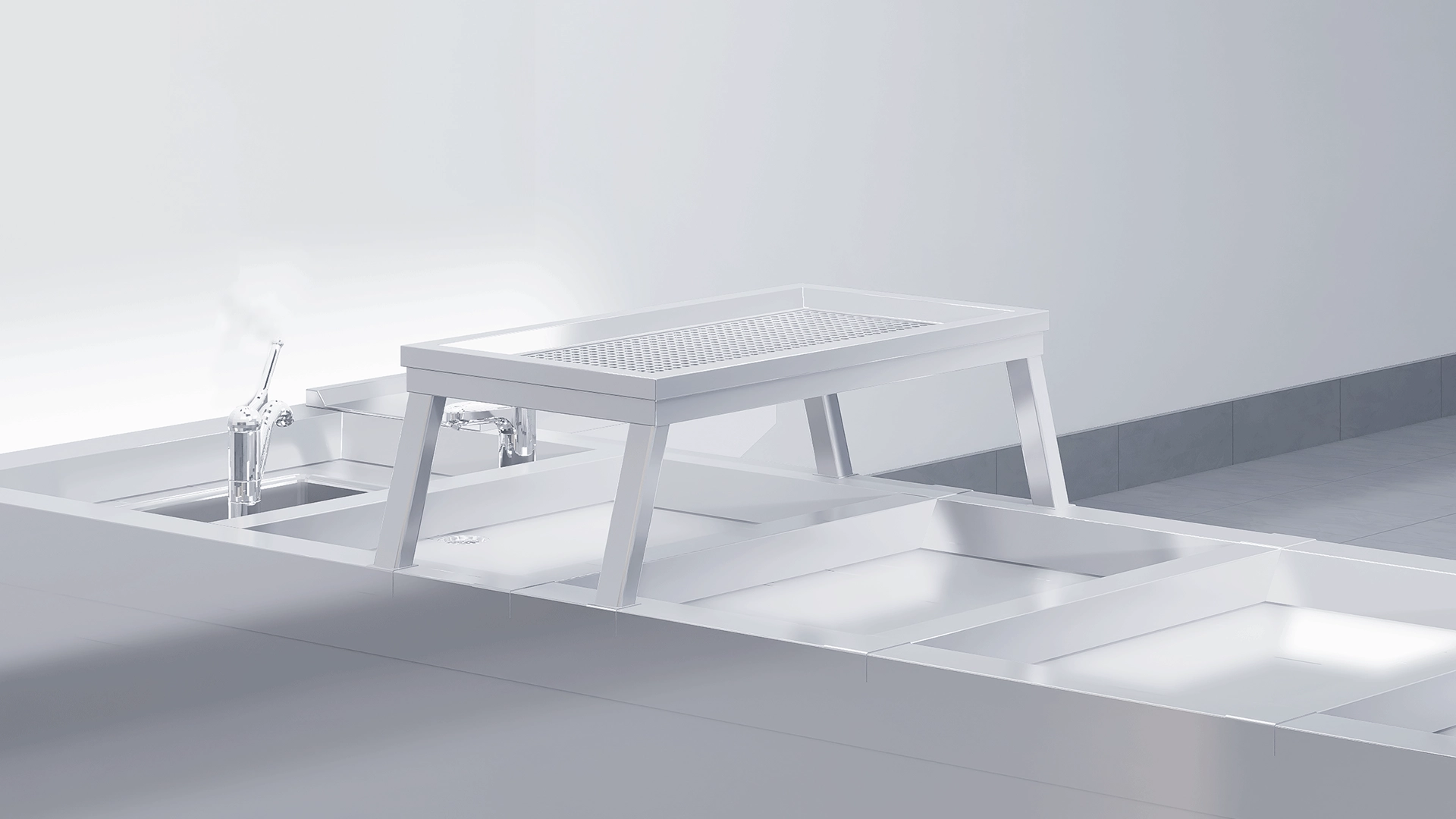
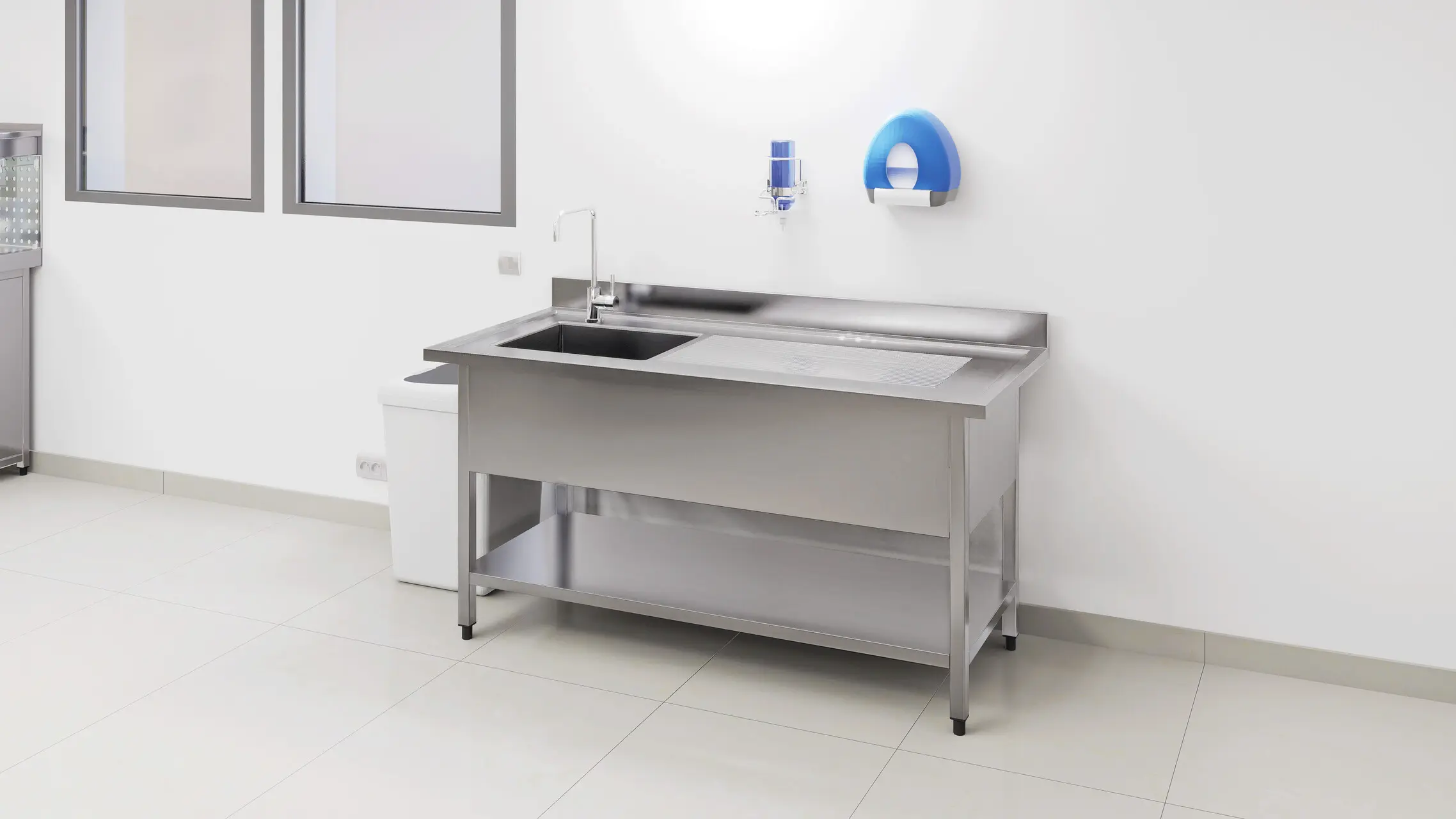
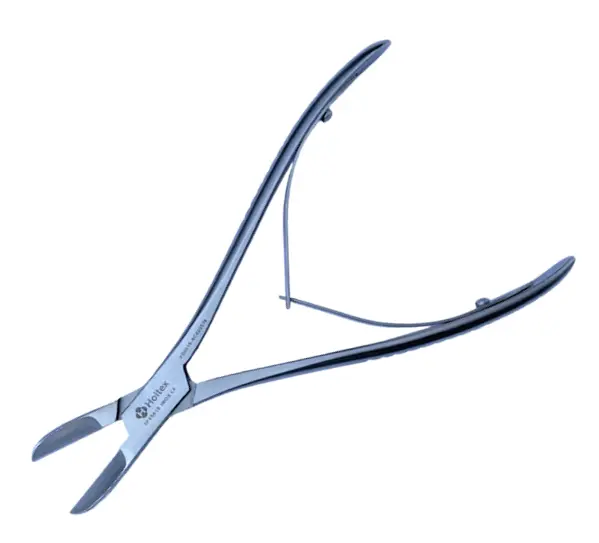
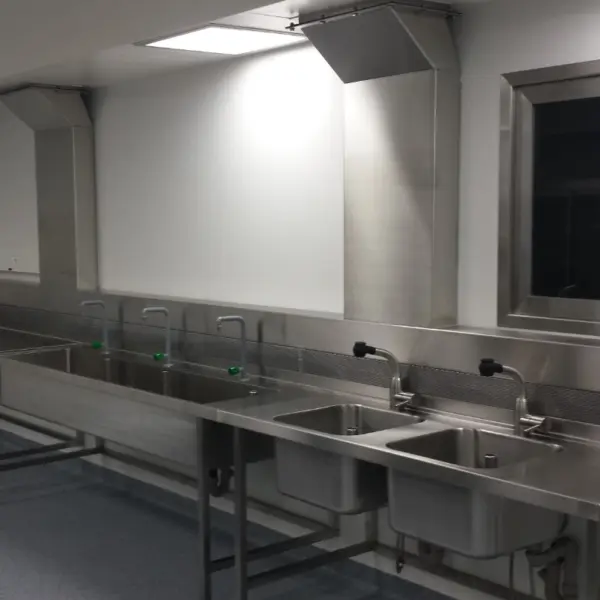
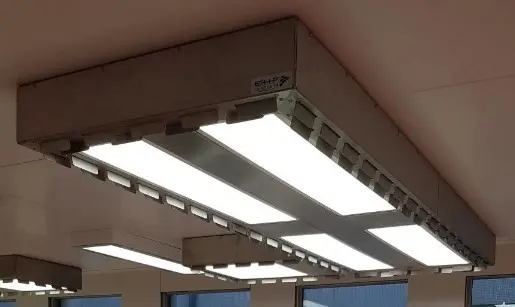
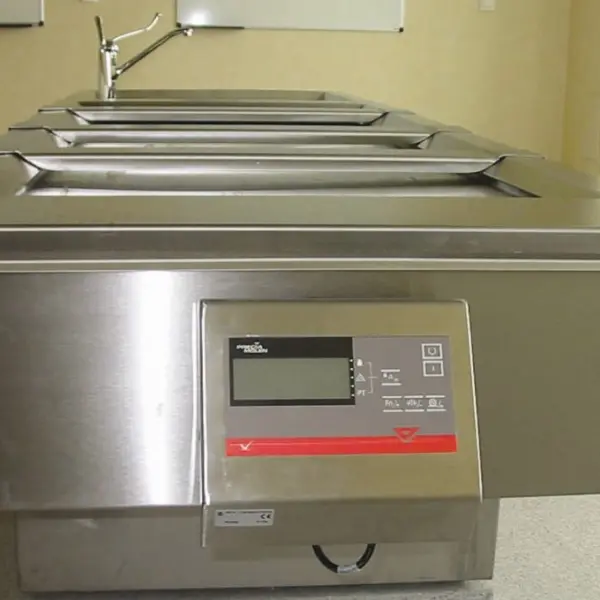
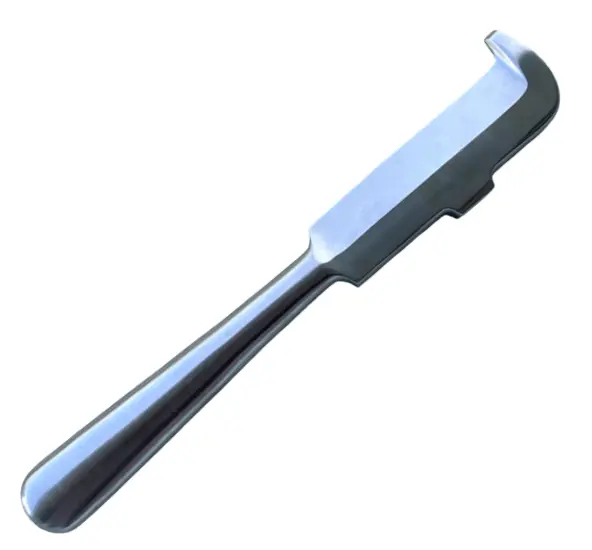
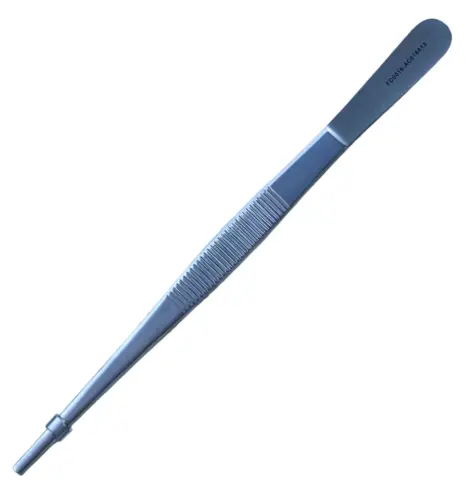
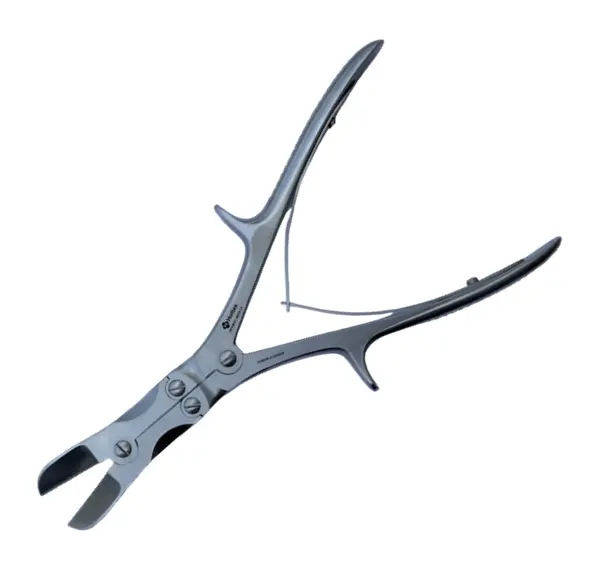
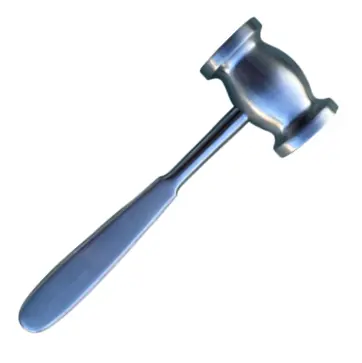
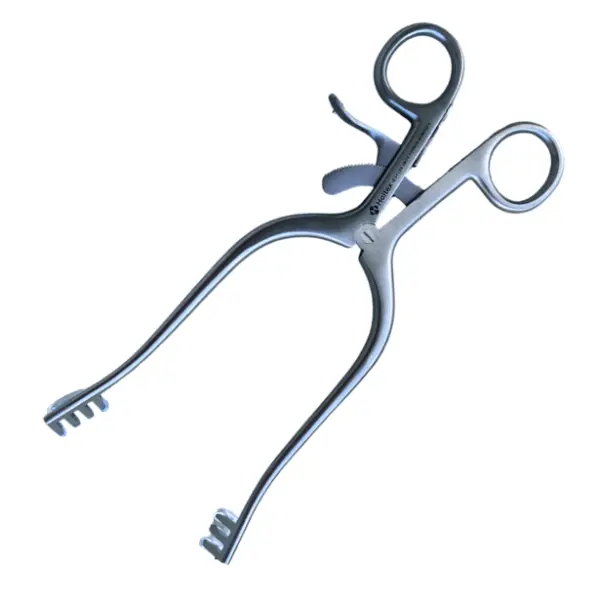
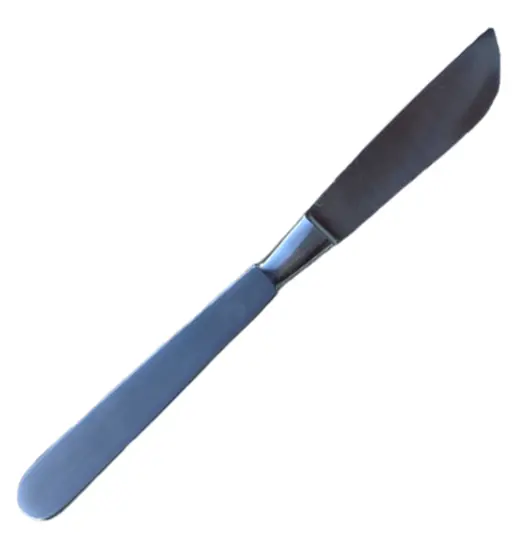
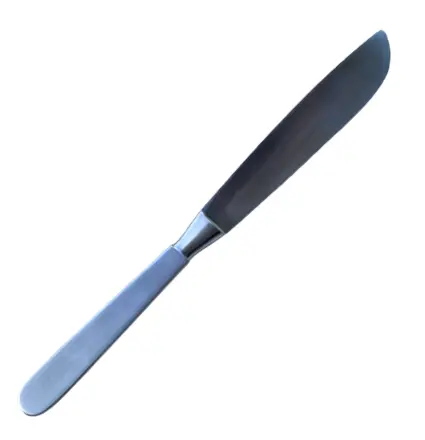
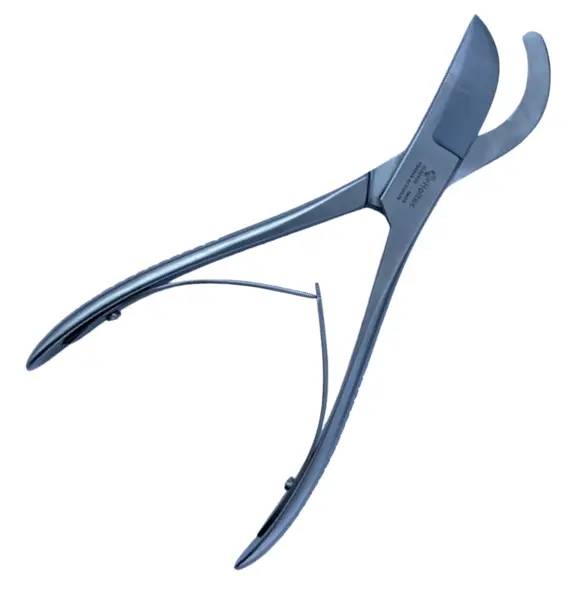
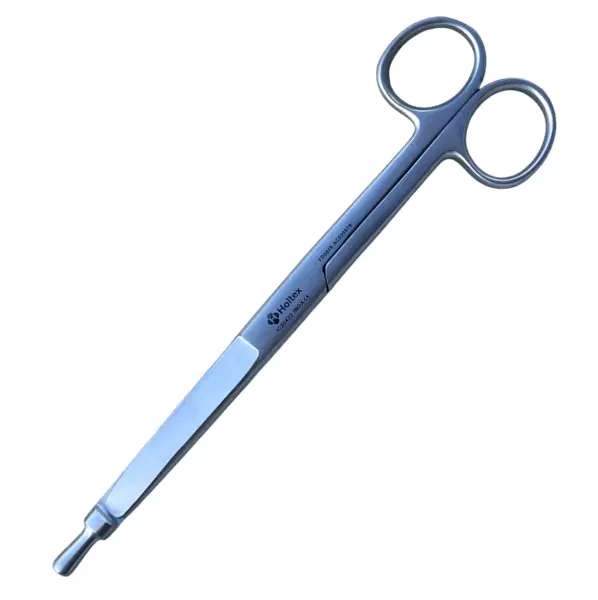
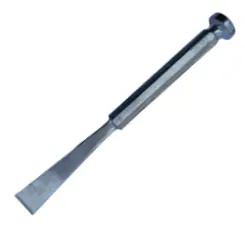
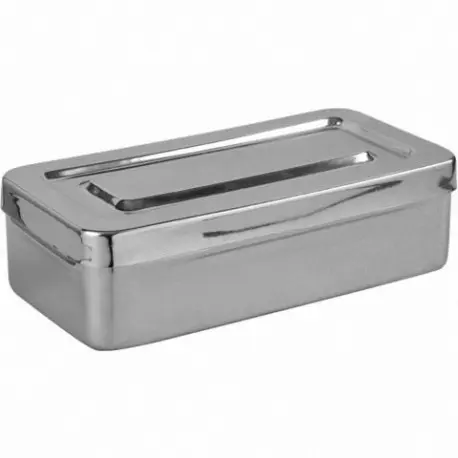
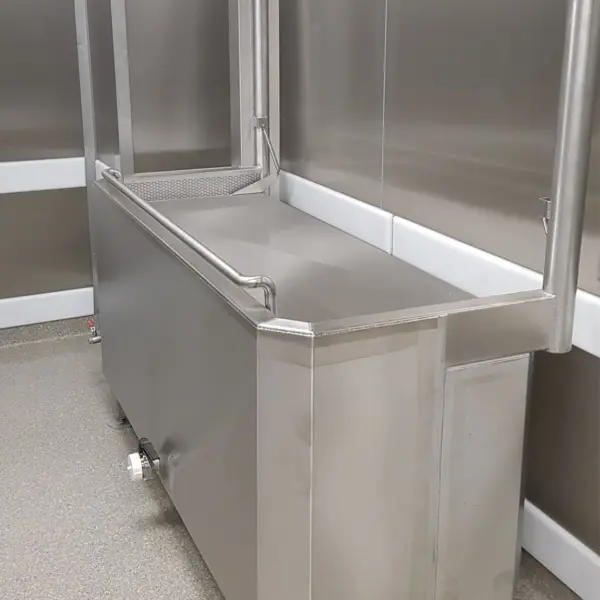
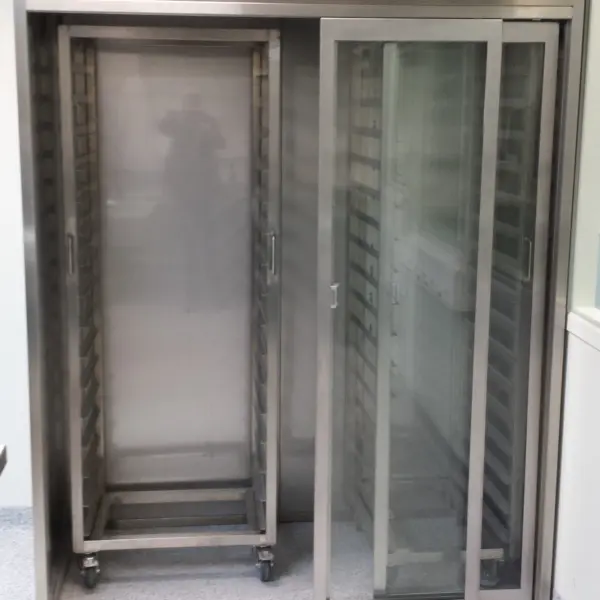
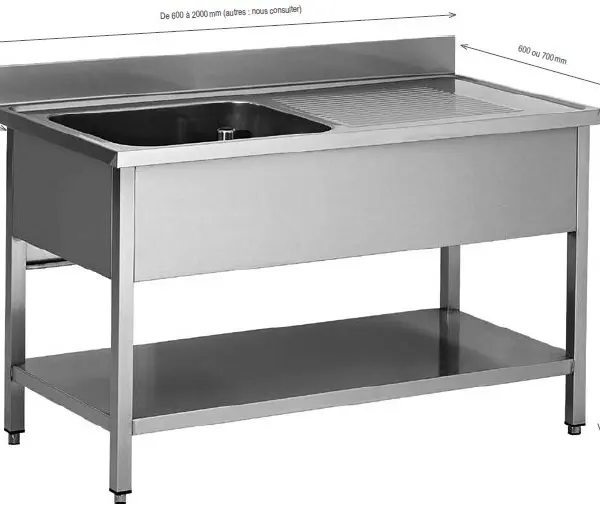
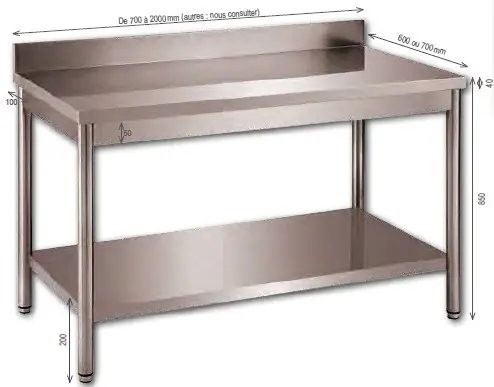
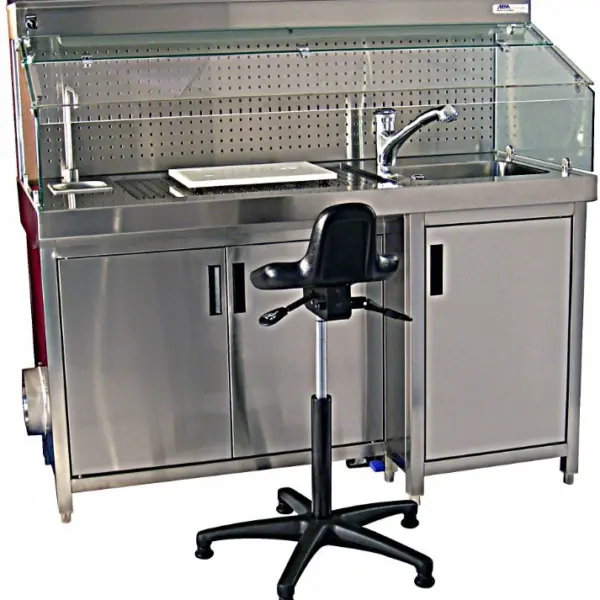
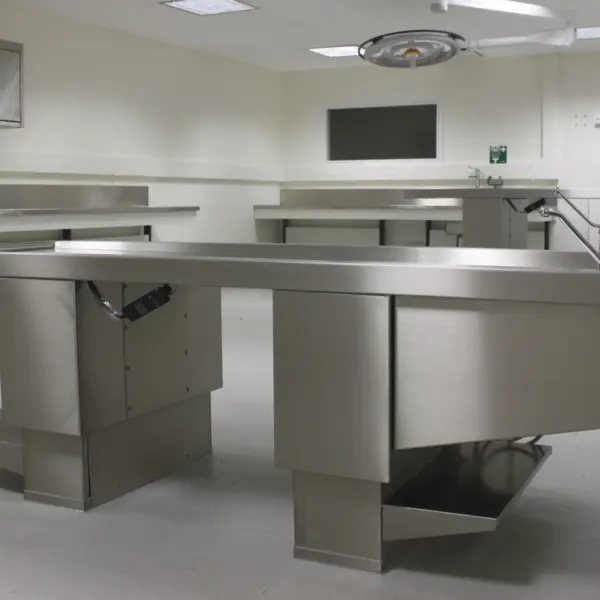
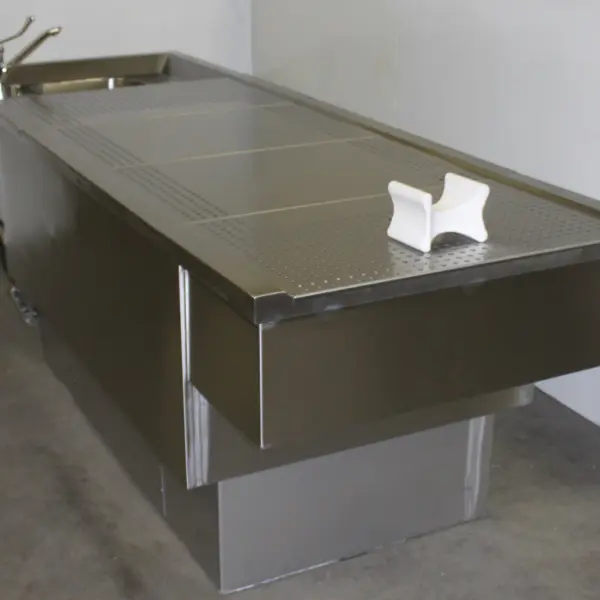
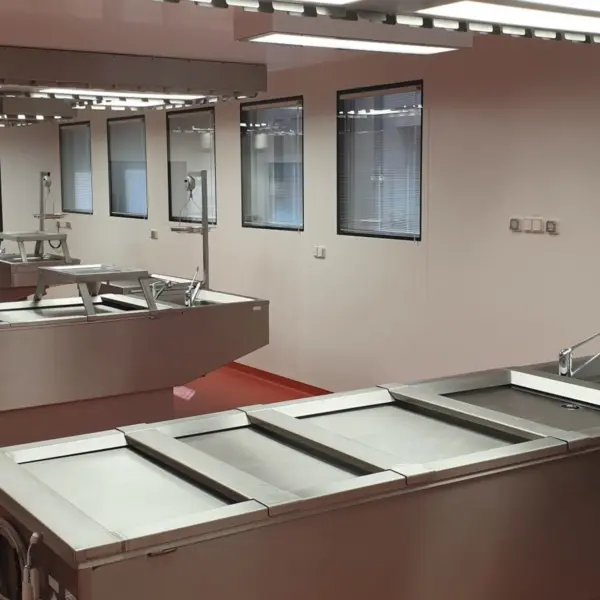
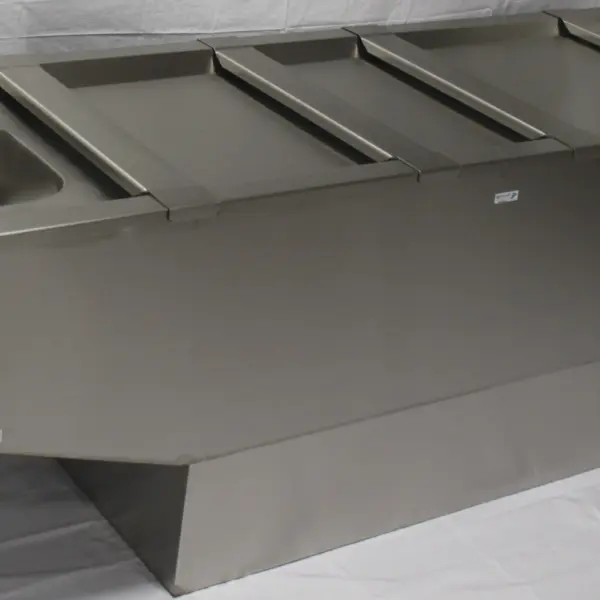
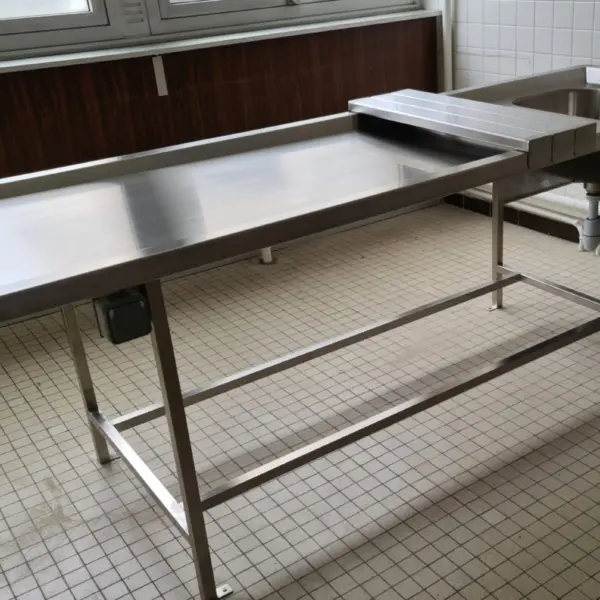
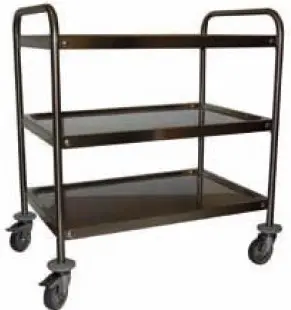
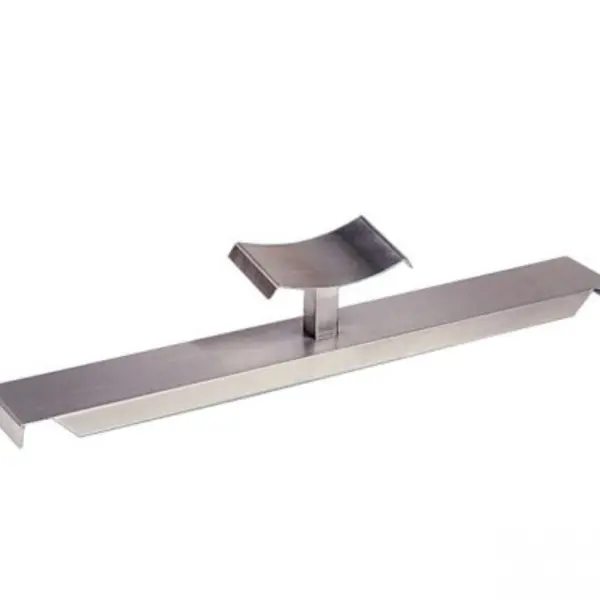
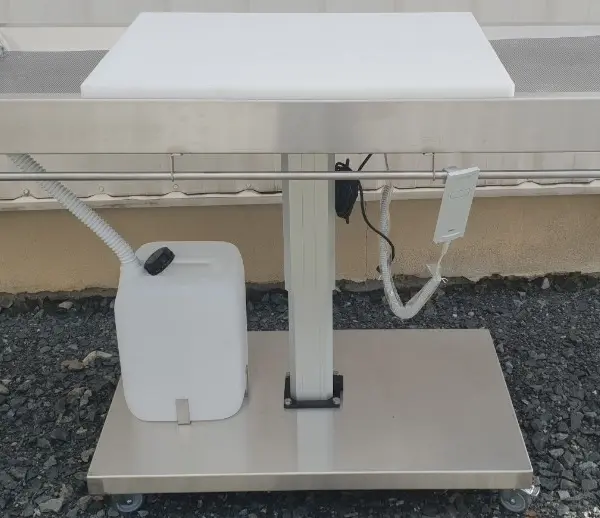
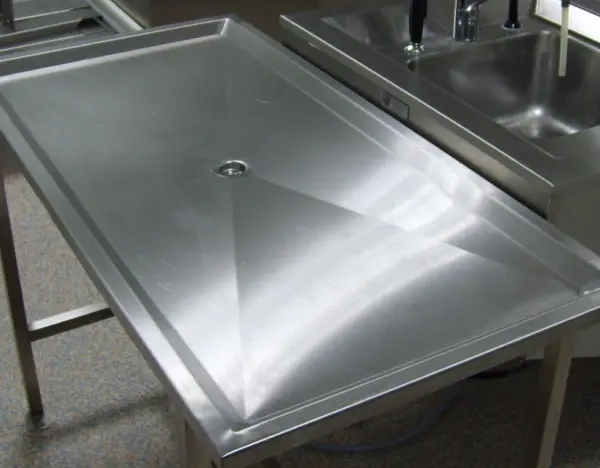
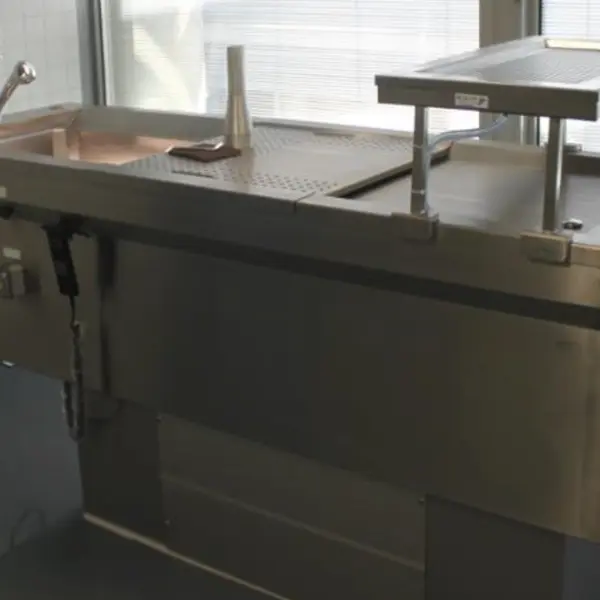
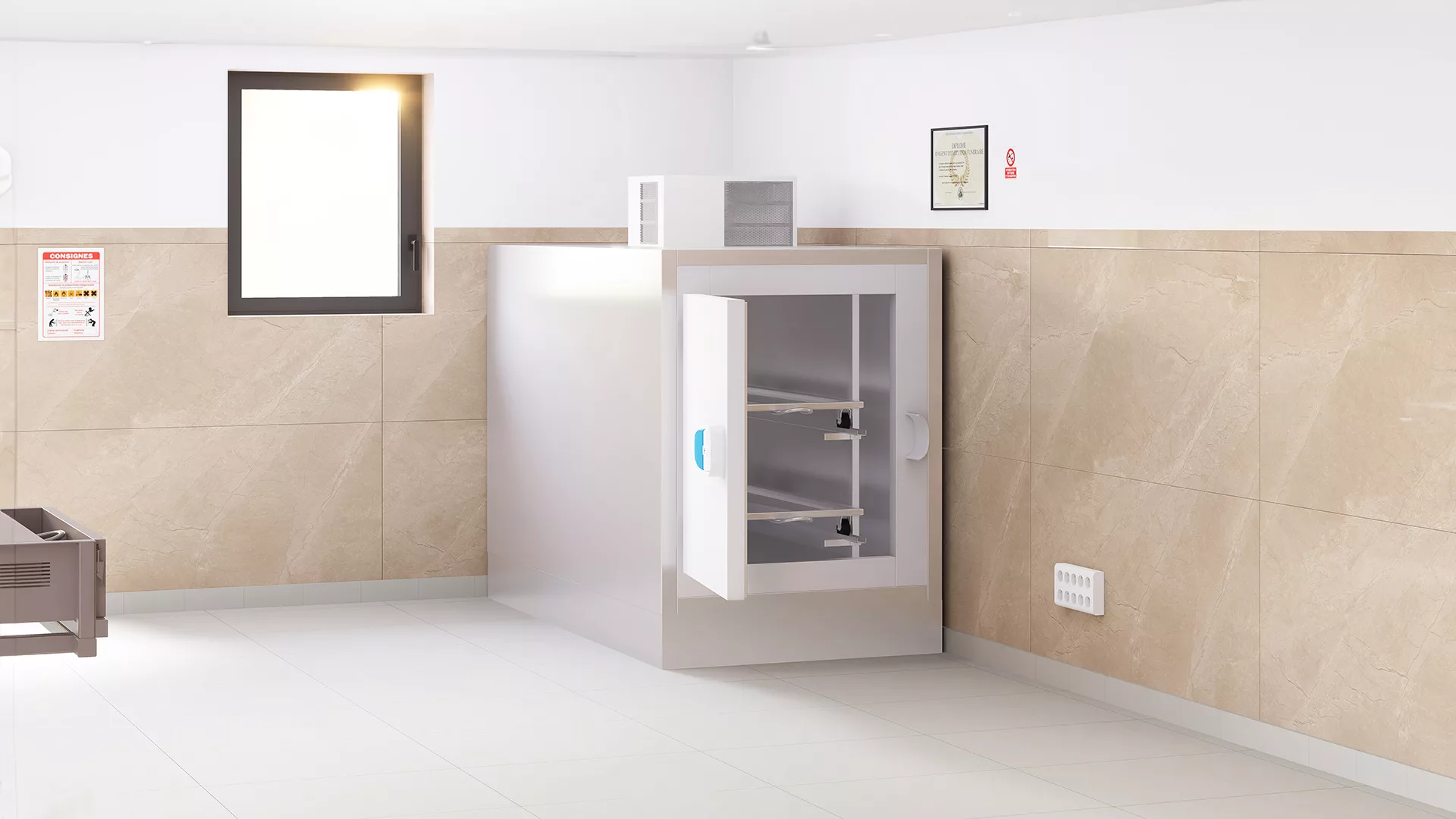
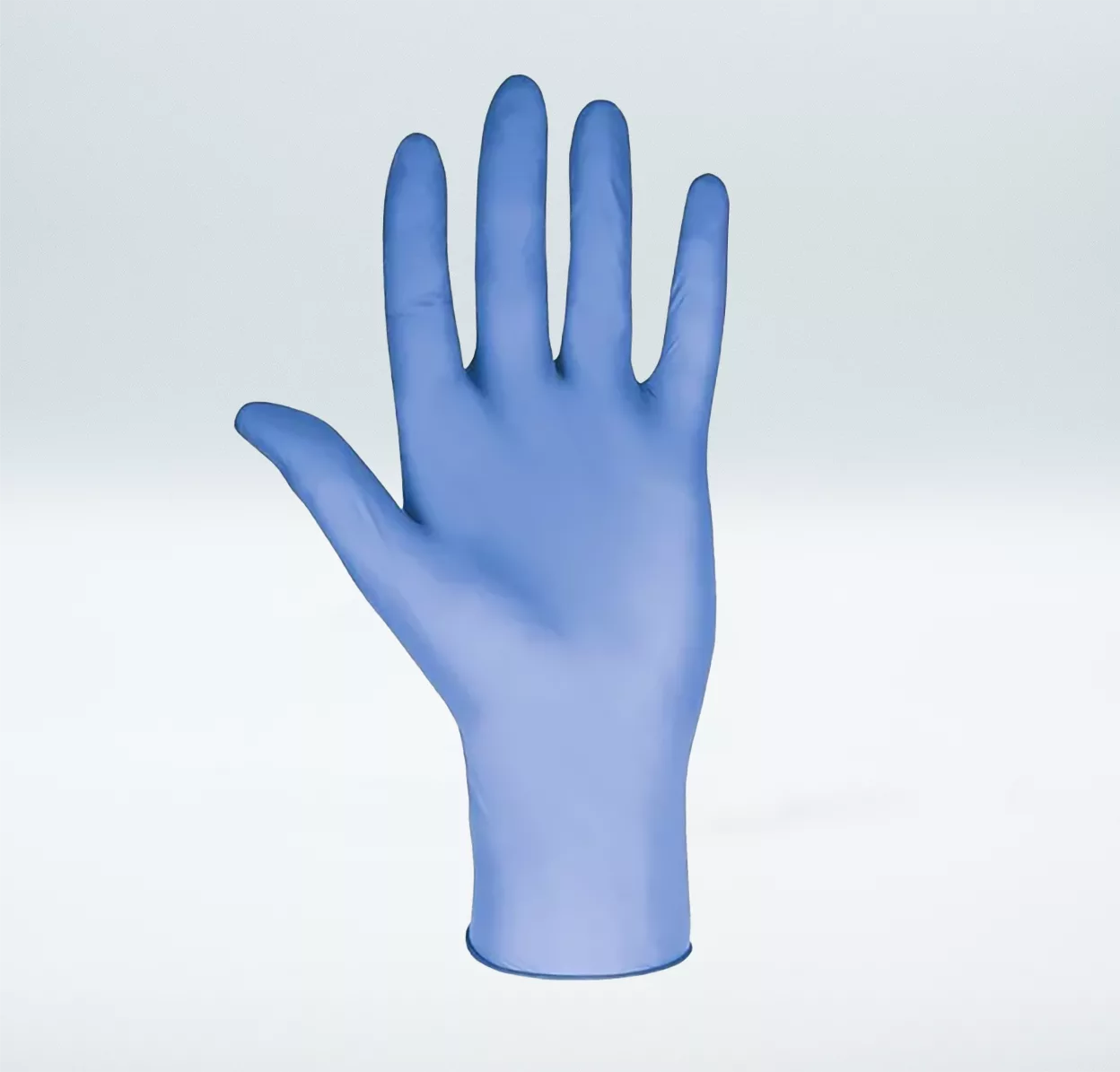
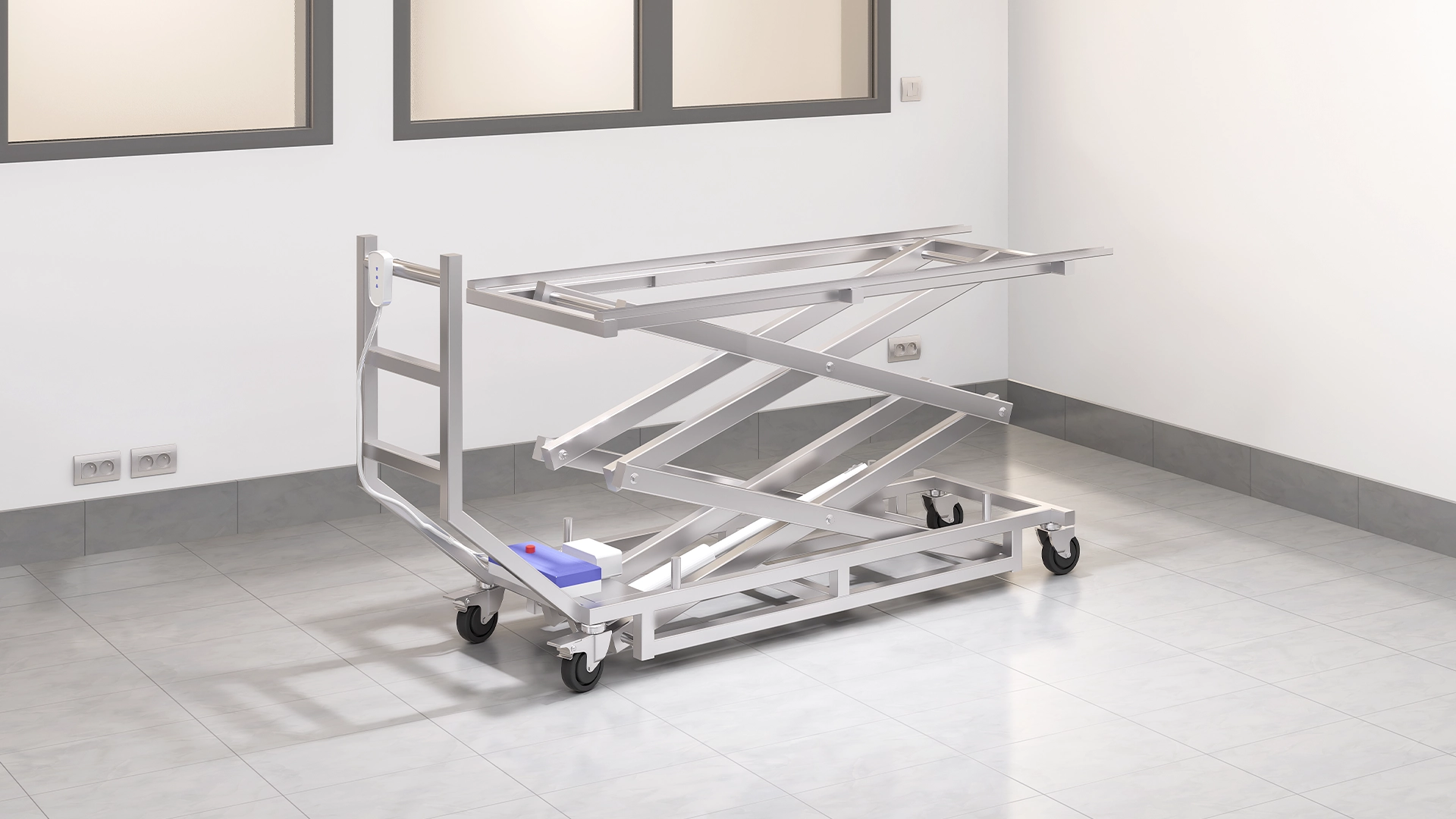
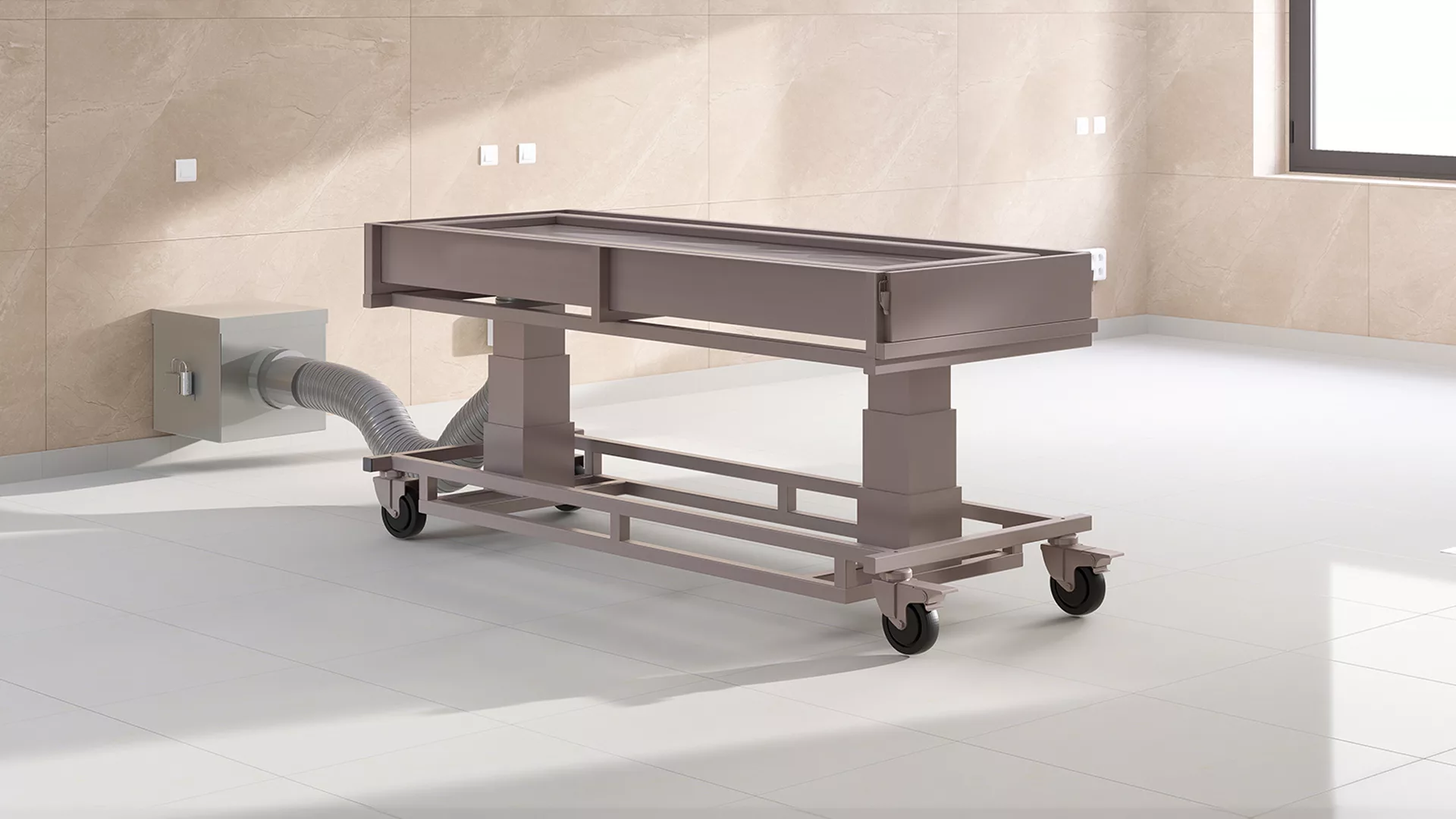
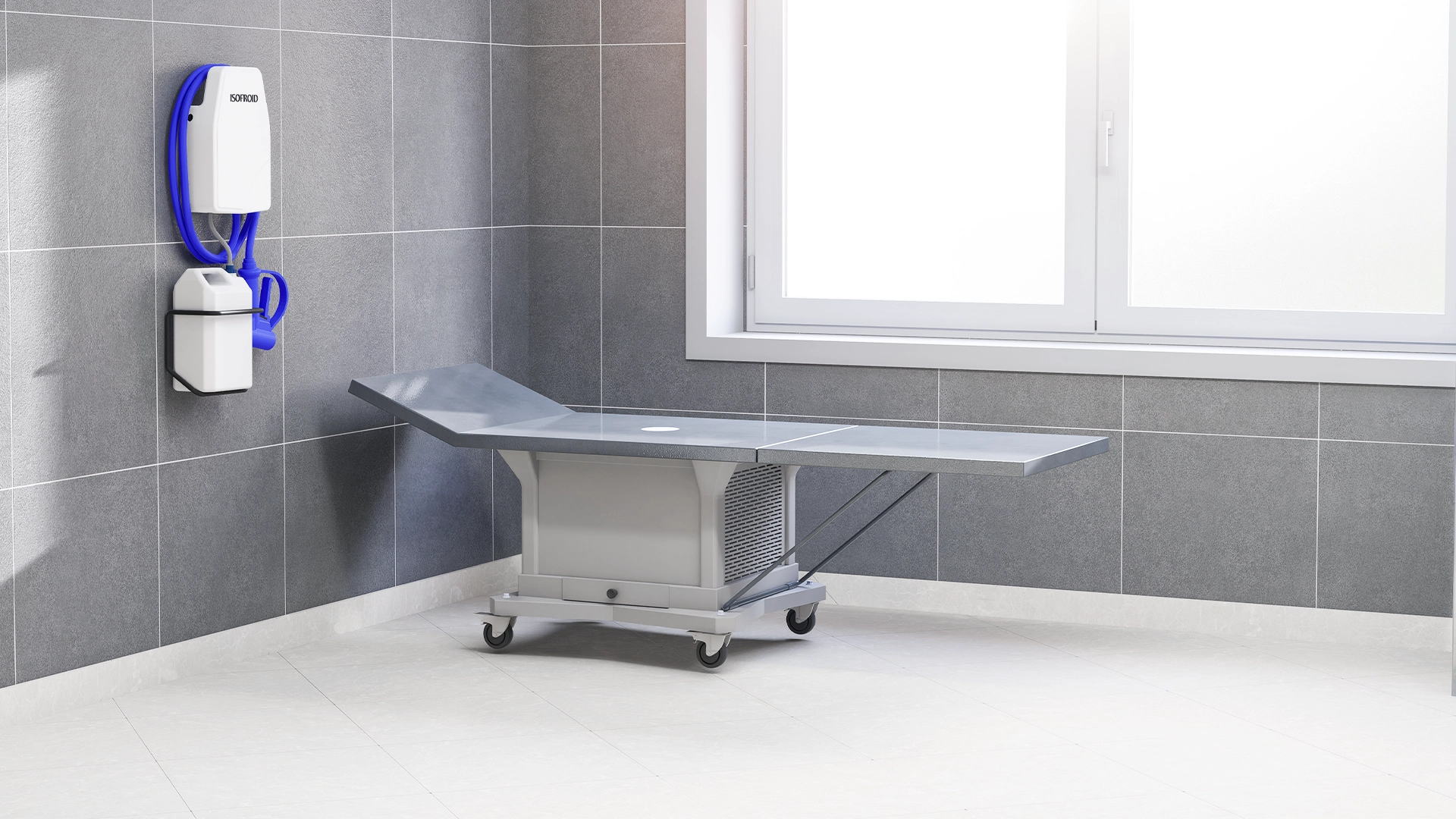
Carrying out an autopsy requires a dedicated area, often called the autopsy room or dissection department. This area must be equipped with a Stainless steel anatomical or treatment table, efficient ventilation, a sampling station, biohazard protection systems and devices for handling tissues and liquids. Staff work with gloves, dissecting instruments (slides, forceps, scissors) and rigorously organised laboratory furniture.
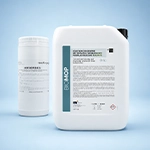
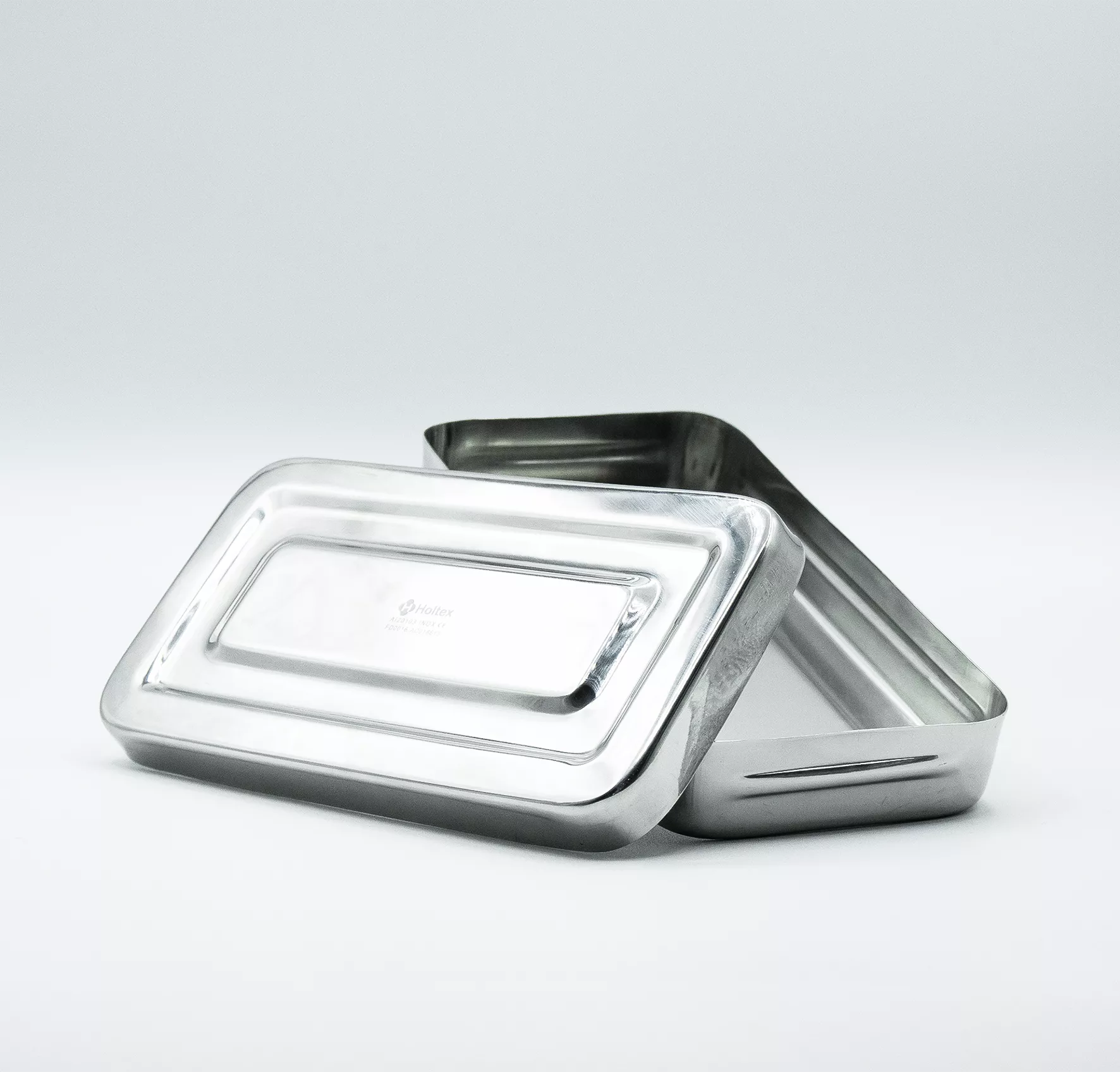
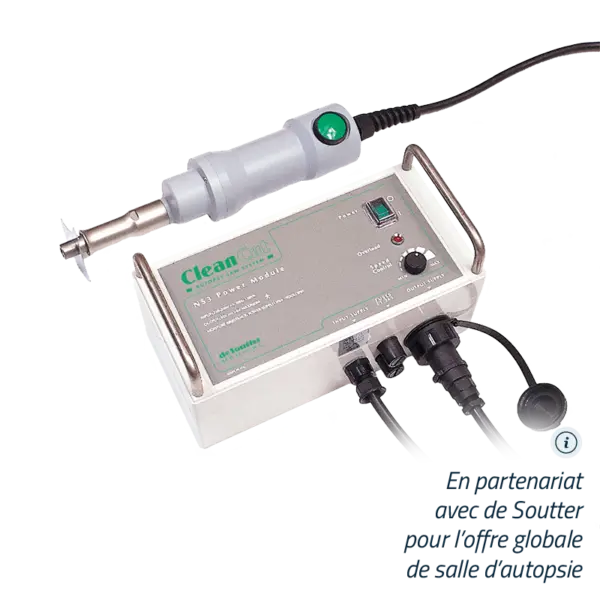
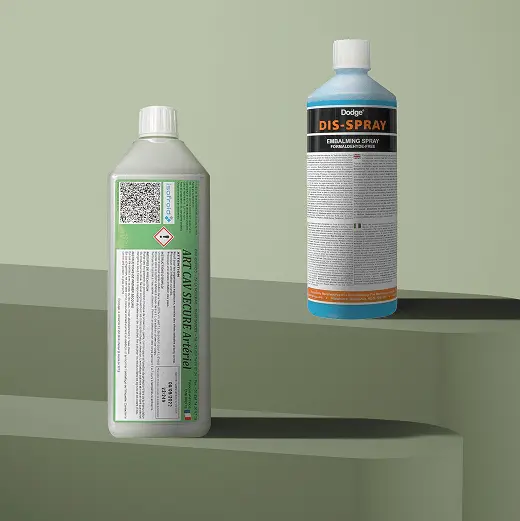
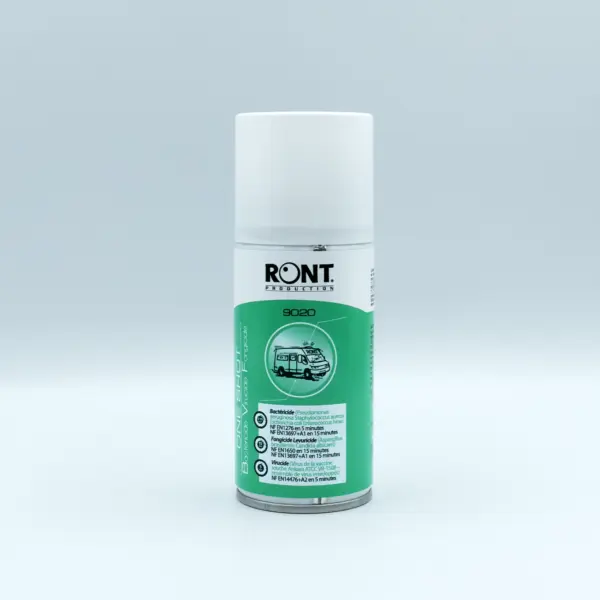
Autopsy techniques vary depending on the speciality: tissue analysis for research, forensic sampling, macroscopic examination in veterinary clinics. The use of appropriate dissection instruments (slides, gloves, magnifying glasses, protective devices) is essential to ensure the accuracy of the examinations while protecting the agents involved. Each procedure sheet details the equipment required, the steps to be followed and the Disinfection procedures after each use.
Autopsies make an active contribution to medical and veterinary research. In laboratories, it is used to identify new pathologies, study the effect of treatments or validate clinical hypotheses. EIHF Isofroid also supports medical, anatomy and veterinary training services, offering robust, ergonomic equipment for dissection and educational examinations.
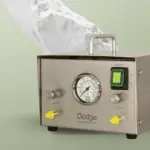
Performing an autopsy involves biological, chemical and technical risks. It is therefore essential to equip the rooms with protective devices: controlled ventilation, work tables with fluid evacuation, stainless steel furniture, safe storage of chemicals, personal protective equipment for staff (gloves, gowns, glasses). Staff must be trained in safety procedures and the use of instruments, in order to limit the risks of exposure.
EIHF Isofroid offers laboratories, clinics and forensic centres a complete range of autopsy equipment, designed to guarantee quality work in a safe environment. Our teams support each project with a personalised quotation, technical expertise and installation assistance. Whether you are a hospital, a veterinary laboratory or a training centre, our products meet the highest professional standards.

EIHF Isofroid is committed to supporting its customers with personalised services